Amelytic: In today's rapidly evolving digital landscape, achieving consistent brand messaging...
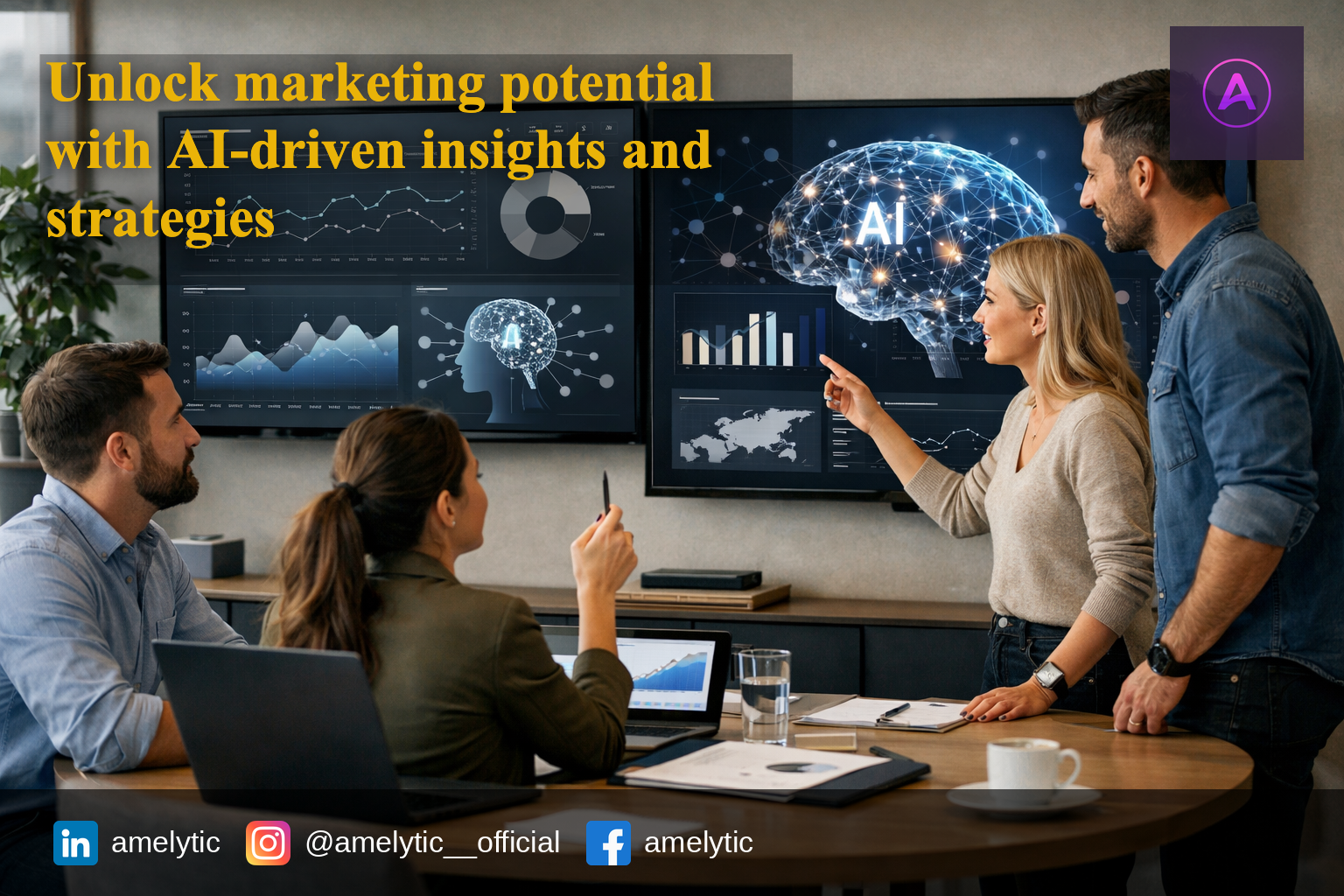
In the rapidly evolving landscape of marketing, maintaining consistent brand messaging across various platforms while executing strategic marketing initiatives is a formidable challenge. Artificial intelligence (AI) offers a transformative solution, enabling businesses to streamline their marketing efforts, ensure brand consistency, and make data-driven decisions. This guide explores how AI can be effectively utilized to achieve these goals, catering specifically to startup founders, marketing consultants, SMEs, digital marketing agencies, and business leaders.
Understanding the Role of AI in Marketing
AI in marketing is not just about automating tasks or generating content. It involves leveraging machine learning algorithms and data analytics to gain insights, predict trends, and personalize communication. By understanding consumer behavior and preferences, AI helps marketers create targeted campaigns that resonate with audiences and maintain brand integrity.
- Data Analysis and Insights: AI tools can process vast amounts of data to identify patterns and trends that humans might miss. This capability allows marketers to make informed decisions based on real-time insights.
- Personalization at Scale: AI enables personalized marketing efforts on a large scale, tailoring messages to individual consumer preferences and behaviors, thereby increasing engagement and loyalty.
Ensuring Consistent Brand Messaging
Consistency in messaging is crucial for brand recognition and trust. AI can help standardize communication across various channels, ensuring that the brand voice remains uniform.
- Content Generation and Curation: AI tools can generate content that aligns with brand guidelines, reducing the burden on human teams and minimizing inconsistencies.
- Automated Monitoring: AI solutions can monitor brand mentions and sentiment across social media and other platforms, allowing companies to maintain a consistent image and address discrepancies promptly.
Strategic Marketing Execution with AI
AI not only supports consistency but also enhances strategic marketing execution by optimizing resource allocation and campaign performance.
- Predictive Analytics: AI can forecast market trends and consumer behavior, enabling marketers to strategize effectively and stay ahead of competitors.
- Resource Optimization: By analyzing past campaign data, AI helps in allocating resources more efficiently, ensuring maximum ROI.
Case Study: AI-Driven Campaign Success
Consider a digital marketing agency that adopted AI tools to manage a client's multi-channel campaign. By utilizing AI-driven analytics, the agency was able to identify the most effective channels and messaging strategies, resulting in a 30% increase in engagement and a 20% boost in conversion rates. This case illustrates how AI can enhance both consistency and effectiveness in marketing.
Challenges and Considerations
While AI offers significant advantages, it is not without challenges. Companies must consider the ethical implications of AI, data privacy concerns, and the need for human oversight.
- Ethical AI Use: Ensuring that AI systems are used ethically and transparently is paramount to maintaining consumer trust.
- Data Privacy: With the increasing use of personal data, businesses must comply with regulations and ensure data is handled responsibly.
Implementing AI in Your Marketing Strategy
To successfully integrate AI into your marketing strategy, consider the following steps:
- Assessment and Planning: Evaluate your current marketing processes and identify areas where AI can add value.
- Tool Selection: Choose AI tools that align with your brand's needs and objectives.
- Training and Development: Invest in training your team to effectively use AI tools and interpret AI-generated insights.
Exploring AI-Driven Content Personalization
AI allows for unprecedented levels of content personalization, which can significantly enhance customer experience and brand loyalty. By analyzing user data, AI can customize content to suit individual preferences, leading to higher engagement rates. For example, an e-commerce platform can use AI to recommend products based on a user’s past purchases and browsing history, creating a tailored shopping experience that encourages repeat business.
AI and Customer Interaction Management
AI-powered chatbots and virtual assistants are revolutionizing customer service by providing instant, 24/7 support. These tools can handle basic inquiries and tasks, freeing up human resources for more complex issues. Moreover, AI systems can learn from interactions, continuously improving their responses and ensuring that customer interactions are consistent with the brand’s messaging.
The Future of AI in Marketing
Looking ahead, AI will continue to evolve and integrate more deeply into marketing strategies. As AI technologies become more sophisticated, they will offer even more precise insights and automation capabilities. Businesses that embrace these advancements will likely gain a competitive edge by enhancing their marketing efficiency and effectiveness.
Amelytic, an AI-powered marketing intelligence platform, exemplifies the potential of AI in marketing. Designed to replace reactive marketing approaches, it offers businesses a strategic, data-driven solution to maintain consistency and drive growth.
In conclusion, AI has the potential to revolutionize marketing by providing the tools necessary for consistent messaging and strategic execution. By adopting AI technologies, businesses can enhance their marketing efforts, ensure brand integrity, and achieve sustainable growth in an increasingly competitive market.






Comments
Post a Comment